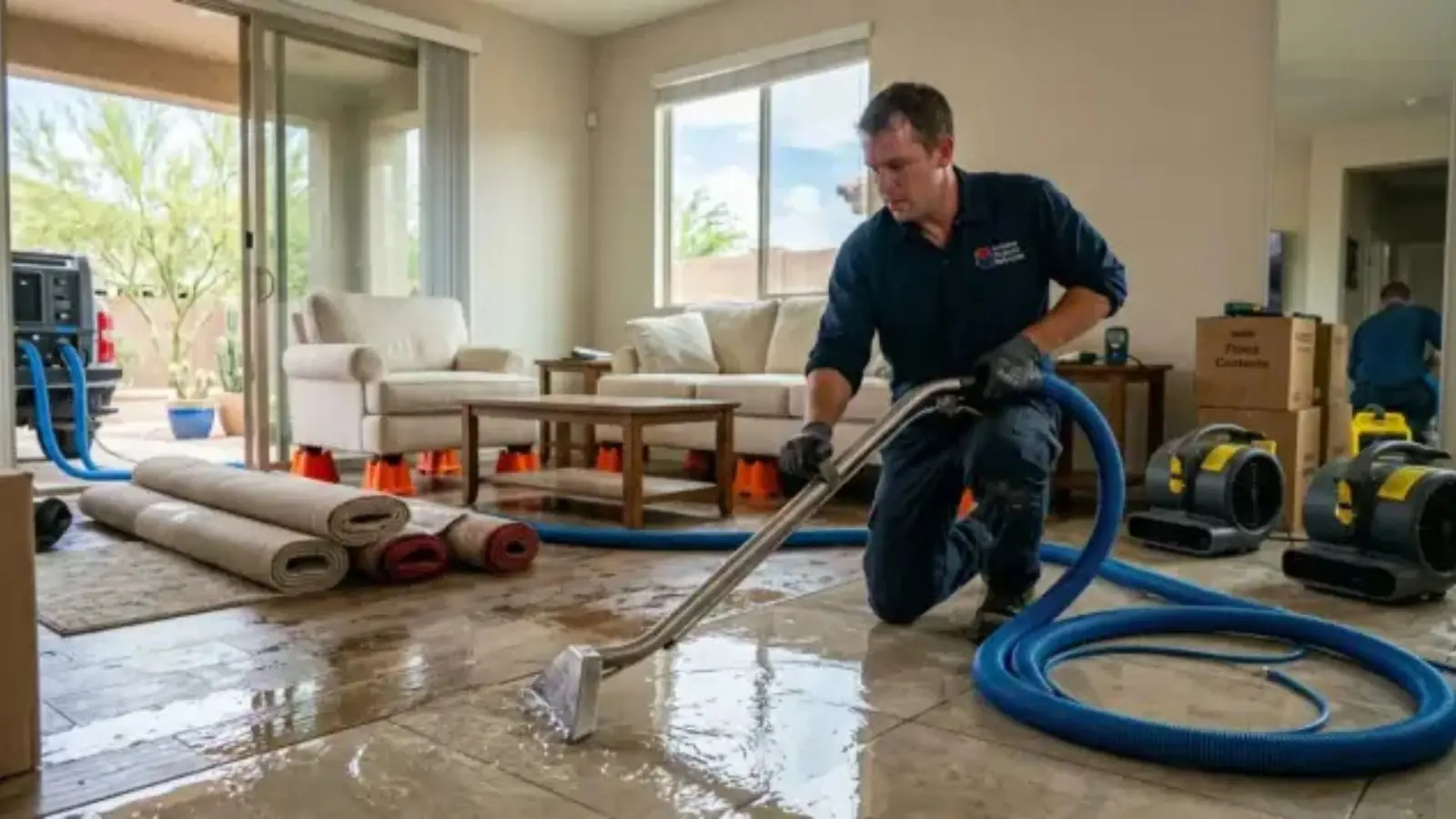
Water Damage Restoration in College Park, MD
Water damage restoration in College Park means stopping the water, extracting it, drying the structure and repairing what was lost. Call the 24/7 emergency line and a restoration crew can be sent to your home or business, with same-day response when available.
Is Water Spreading Right Now?
The emergency line is answered 24 hours a day, every day. If it is safe to reach, shut off the main water valve while you call.
What We Handle in College Park
Six services cover the full path from an active leak to a finished repair. Pick the one that matches your situation, or call and describe it in plain words.
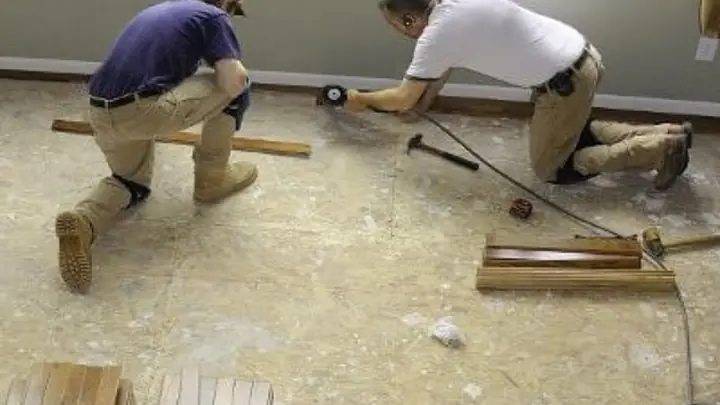
Water Damage Repair
Rebuild drywall, insulation, flooring and paint once the structure is dry, including ceiling and wall repair.
Read about water damage repair →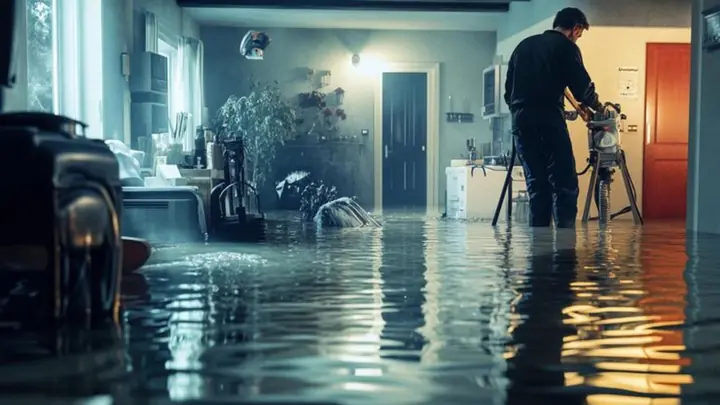
Water Mitigation
Stop the damage in the first 24 to 72 hours with moisture mapping, extraction and structural drying.
Read about water mitigation →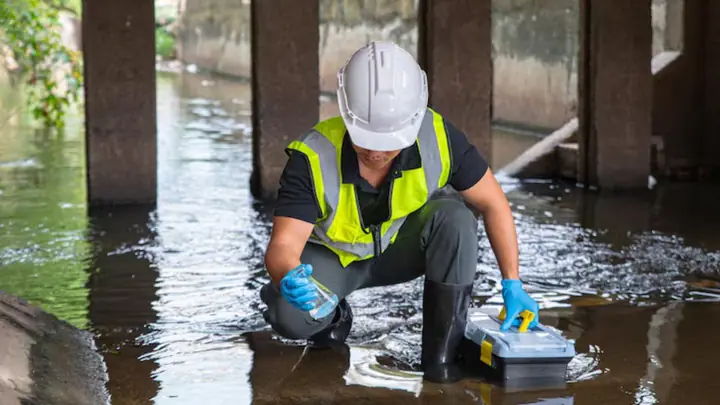
Emergency Water Removal
Pumps and extraction units pull standing water out of basements, floors and crawl spaces right away.
Read about emergency water removal →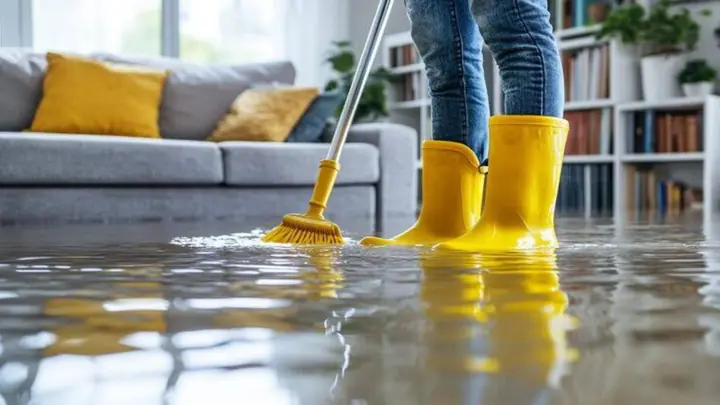
Water Damage Cleanup
Remove soaked materials, sanitize and deodorize after the source of the water has been stopped.
Read about water damage cleanup →
Flood Damage Restoration
Storm, creek and groundwater flooding, including flooded basements and sewage backup.
Read about flood damage restoration →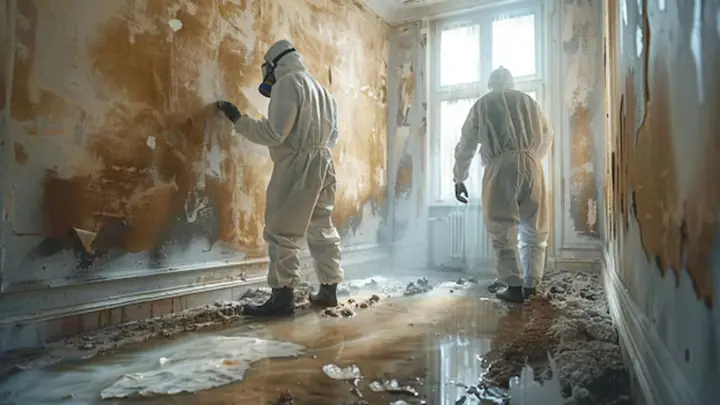
Mold Remediation
Mold that follows moisture is contained and removed after the water problem is fixed, with ANSI/IICRC S520 as the reference standard.
Read about mold remediation →Water Damage Restoration in College Park Starts With the Water Source
Water damage restoration is the work of finding the source, removing standing water, drying wet materials and rebuilding what cannot be saved. In College Park the source is rarely mysterious. It is usually an aging supply line, a failed appliance hose, a roof leak, or stormwater and sewer water pushing into a low basement.
The city sits where Paint Branch and Indian Creek meet to form the Northeast Branch of the Anacostia River, and the University of Maryland covers about 41 percent of the city's surface.
That mix of creek lowlands, older streets and busy rental housing shapes the calls a restoration company sees. Before we plan any drying, we ask where the water came from, because the answer decides what has to be removed and what can be saved.
Neighborhood age matters too. Old Town and Calvert Hills are among the city's oldest neighborhoods, while much of the infill after World War II was ranch and split-level housing. Older homes tend to carry older plumbing and plaster or lath walls, which dry differently from modern drywall. A crew that knows this arrives with the right extraction tools and the right questions.
What happened in Calvert Hills in September 2020
On September 10, 2020, a heavy rain event flooded parts of Calvert Hills. According to City Council minutes from January 11, 2021, a councilmember described stormwater flowing into houses and, in some cases, sewage backing up through toilets, drains and sinks. A WSSC Water representative told the council that stormwater flooding is not WSSC's responsibility and that backflow preventers at the property line were a short-term option.
If your basement takes on stormwater or sewage, call before you start cleaning. WSSC staff told the council that residents should call so the utility can investigate, and that photos and video of the damage are worth taking first. Then call us for extraction and drying.
Where Water Damage Starts Across College Park
Old Town, Calvert Hills, Lakeland, Berwyn and Daniel's Park each have a different housing mix, and each fails in a different way.
Calvert Hills has a documented history of drainage and sewer backup problems, and Prince George's County has a storm drainage project there for that reason. Old Town homes sit inside a historic district, so exterior repairs after a roof or siding leak may follow the district's Design Guidelines. The City's Planning and Community Development department is the place to ask before work begins.
Near campus, rental turnover brings its own pattern. Washing machine hoses, refrigerator ice-maker lines and upstairs bathroom leaks are common ways a small failure becomes a wet ceiling in the unit below. Along the Baltimore Avenue and Route 1 corridor, commercial tenants deal with sprinkler leaks, roof drains and burst lines in shared buildings. The steps are the same everywhere: stop the source, extract, dry, document.
Lake Artemesia and the Paint Branch trail are a reminder that the city drains toward creeks. For a flood question about your own address, check the FEMA flood map and ask the Prince George's County Department of Permitting, Inspections and Enforcement. We do not guess at flood zones, and neither should you.
What to Do Before the Crew Arrives
The first hour matters. These steps are safe for most homeowners and keep the damage from growing while you wait.
Stop the source
Shut off the main water valve if the leak is from a supply line, or turn off the appliance that is leaking.
Mind the electricity
Turn off power to wet areas only if the panel is dry and you can reach it safely. If water touches outlets or the panel, stay out and call the utility or 911 first.
Protect what you can lift
Raise valuables, books, shoes and small furniture off wet floors. Pull rugs only if they are light.
Take photos and video
Record the water, the damage and any wet belongings before anything is moved. Your insurer will ask for this.
If sewage is involved, keep people and pets out of the water and do not try to clean it yourself. Contaminated water needs protective equipment and a proper plan.
What Sets Us Apart
24/7 emergency line
The line is answered at night, on weekends and on holidays, because water does not wait for business hours.
Documentation for your claim
Photos, moisture readings and written notes show what was wet, what was removed and why.
Licensed and insured
Restoration professionals who carry licenses and insurance, with the scope and price explained before work starts.
Local knowledge
We know the creek lowlands, the older housing near Route 1 and the rental stock around campus.
From First Call to Restored
Four stages, each with a clear hand-off. You always know what comes next and why.
Call the line
Describe the damage and the water source. We tell you what to do while a crew is arranged.
Assess and stop the water
A technician maps moisture, finds the source and explains the scope and price before work starts.
Extract and dry
Pumps and extraction units remove water. Air movers and dehumidifiers dry the structure, with readings taken each visit.
Repair and document
Damaged materials are replaced and the file you hand your insurer is complete.
What Changes the Scope of a Job
Nobody can quote a fair price for water damage without seeing it. These are the five things that move a job from small to large, and each one is something we look at on site.
| What changes the scope | Why it matters | What we look at |
|---|---|---|
| Water category | Clean supply-line water, gray water and sewage each need a different plan and different protective equipment. | Where the water came from and how long it sat |
| Affected area | More wet floor and wall area means more equipment and more drying days. | Moisture readings across floors, walls and ceilings |
| Materials involved | Drywall, plaster, carpet pad, hardwood and insulation respond differently to water. | What can be dried in place and what must be removed |
| Drying time | Air movers and dehumidifiers run until readings return to a dry standard. | Daily moisture checks and equipment placement |
| Rebuild scope | Repair work begins after drying and depends on what was removed. | Drywall, flooring, paint and trim needs |
No exact prices are published here because they would be guesses. Scope and price are explained before work starts, after someone has seen the damage.
Documentation That Helps Your Claim
A clear record for your insurer
We take photos, moisture readings and written notes of what was wet and what was removed, so you can hand your insurer a clean record. Coverage decisions belong to your insurer, so check your policy and ask your agent what applies.
General rules help you ask better questions. The Maryland Insurance Administration says homeowners policies generally do not cover flooding, which is covered by a separate flood policy. A sudden burst pipe is generally covered for the water damage it causes, though not for repairing the pipe itself.
Sewer and drain backup usually needs a separate endorsement. Maryland law requires insurers to offer that coverage in writing when a homeowners policy is applied for and when it renews, so look at your policy to see whether you said yes. Seepage through a foundation wall is treated as a maintenance issue and is generally not covered.
Serving College Park and Nearby Towns
Our primary coverage is College Park, including ZIP codes 20740 and 20742 and the neighborhoods of Old Town, Calvert Hills, Lakeland, Berwyn and Daniel's Park. The line also reaches the nearby towns below, each with its own page covering what water damage looks like there.
Hyattsville has Victorian and bungalow housing along its historic district. Greenbelt is a planned New Deal town with its own stormwater story. Beltsville mixes older street grids with postwar neighborhoods near the Agricultural Research Center.
Questions College Park Homeowners Ask
Yes. The emergency line is open 24 hours a day, every day, including nights, weekends and holidays. Call (301) 936-0619, describe what is happening, and we will tell you what to do while a crew is arranged. Same-day response is offered when available, and no arrival time is promised over the phone.
It covers finding and stopping the source, extracting standing water, drying the structure with air movers and dehumidifiers, removing materials that cannot be saved, cleaning and sanitizing, and rebuilding. Each stage has its own page on this site, from water mitigation to water damage repair.
The EPA advises drying water-damaged areas and items within 24 to 48 hours to prevent mold growth. That is why the first day matters. If materials stayed wet longer, see our mold remediation page for how containment and removal work.
It depends on the cause and your policy. Sudden and accidental damage, such as a burst pipe, is often covered, while gradual leaks and neglect often are not, and flood damage usually needs separate flood coverage. Check your policy and ask your insurer. We document the loss, and your insurer makes the coverage decision.
Yes. Scope and price are explained before work starts, after a technician has seen the damage and taken moisture readings. Price depends on the water category, the area affected, the materials involved, the drying time and the rebuild scope. Call for a real number rather than a guess.
Yes. Those three towns have their own pages with local detail. See Hyattsville, Greenbelt and Beltsville. The same 24/7 line covers all of them.
No. Restoration deals with damage that has already happened. Waterproofing and foundation repair stop water from coming in through walls or floors in the future, and they are a different trade. If water keeps seeping in after a repair, ask a waterproofing or foundation specialist to look at the cause.
Damage Spreading Right Now?
Call the 24/7 emergency line. Describe the water, and we will tell you what to do while a restoration crew is arranged for College Park and nearby towns.
☎ Call (301) 936-0619